
Understanding the psychology of gambling how emotions influence decision-making
The Emotional Rollercoaster of Gambling
The experience of gambling is often characterized by a wide range of emotions, from excitement and anticipation to anxiety and despair. These feelings can significantly influence a player’s decisions, leading them to chase losses or take unnecessary risks. To illustrate this, players might find beneficial insights through Glassi casino betting, enhancing their understanding of how emotions play into gambling and helping them become more aware of their mental state.
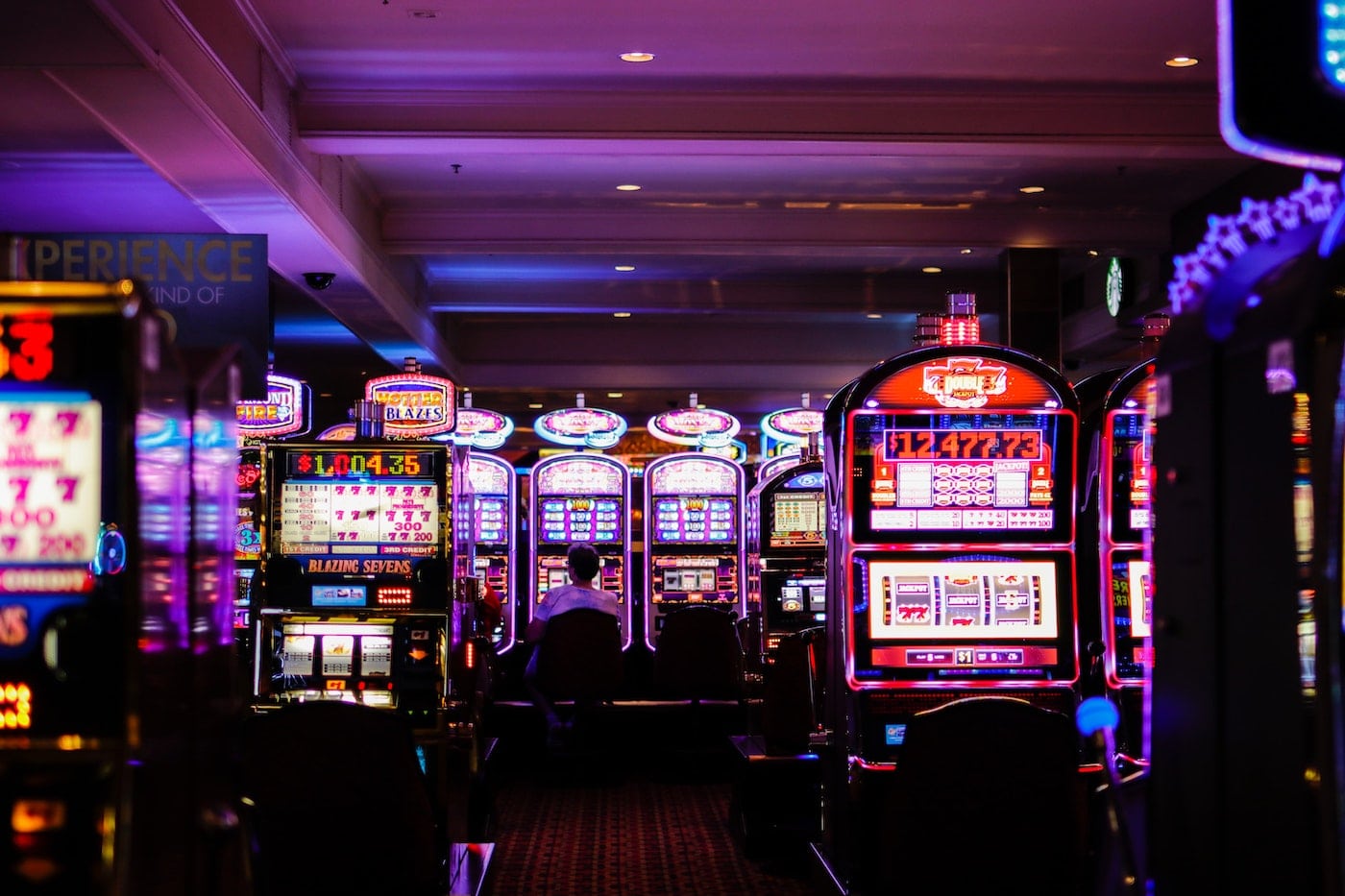
Many gamblers experience a rush of adrenaline when they place a bet, which can create a sense of euphoria. This emotional high can cloud judgment, prompting individuals to make impulsive decisions that aren’t in their best interest. Recognizing these emotional triggers is crucial in developing a more disciplined approach to gambling.
Emotional Triggers in Gambling
Certain emotions are particularly potent when it comes to gambling. For instance, feelings of joy after a win can lead to overconfidence, while frustration after a loss may result in reckless behavior. These emotional triggers are often rooted in psychological mechanisms such as reward sensitivity and loss aversion, which significantly affect decision-making processes. A strong grasp of these concepts can be vital for anyone exploring the Glassi Casino India options.
Understanding these emotional triggers can empower players to manage their gambling habits. By identifying what emotions drive their decisions, individuals can learn to pause and reflect, allowing for a more calculated approach. This self-awareness can mitigate the potential for negative outcomes and enhance overall enjoyment of the experience.
The Role of Cognitive Dissonance
Cognitive dissonance occurs when individuals experience conflicting thoughts or beliefs, often leading to emotional distress. In gambling, this can manifest when a player justifies their decisions despite mounting losses. For example, someone might convince themselves that they are “due” for a win after several losses, which can perpetuate a cycle of irrational decision-making.
Addressing cognitive dissonance requires honest reflection on one’s motivations and behaviors. Players can benefit from acknowledging the gap between their expectations and reality. By confronting these uncomfortable truths, they can create a healthier mindset towards gambling and make more informed decisions.
The Impact of Peer Influence
Social dynamics significantly influence gambling behavior. The emotional environment created by friends or fellow gamblers can either heighten excitement or trigger feelings of pressure and competition. Players may feel compelled to gamble more or take risks to impress others, which can cloud their decision-making process.
Creating a supportive gambling environment where players feel comfortable discussing their experiences and challenges can be beneficial. Awareness of how peer influence shapes emotions can help individuals resist negative pressures and maintain control over their gambling decisions, promoting a more enjoyable experience.

Glassi Casino and Responsible Gaming
At Glassi Casino, the focus is not only on providing an extensive selection of games but also on promoting responsible gambling. Recognizing the emotional aspects of gaming, Glassi Casino offers resources and tools that allow players to set limits and monitor their activity. This helps ensure a balanced and enjoyable gaming experience.
With a commitment to player security and support, Glassi Casino provides 24/7 customer service to address any concerns or questions. By fostering an environment of responsible gaming, Glassi Casino aims to enhance the overall experience for players, ensuring that entertainment remains the priority.