
Denim Tears Price Guide 2025: Store vs Secondary, Actual Costs
This guide shows how Denim Tears pieces sell at stores in 2025, exactly how resale premiums genuinely work, and the way to determine the true price one pays after fees and duties. When one compares store vs resale, your aim is to know the fair band for every segment and avoid overpaying.
The brand is among the select urban labels where retail and resale may diverge wildly, especially on the signature Cotton Wreath pieces. One will find clear cost brackets by category, sharp spikes on specific washes, and significant concealed charges on resale platforms. Use the table below as your reference, then review the areas that detail how values change, when to purchase, and when costs add up.
What Is The Brand and How Are Values So Volatile?
Denim Tears, created by Emory in 2019, launches culturally loaded collections with restricted availability, so rarity and narrative drives premiums. Prices fluctuate since releases are restricted, interest is global, and specific colorways become reference pieces.
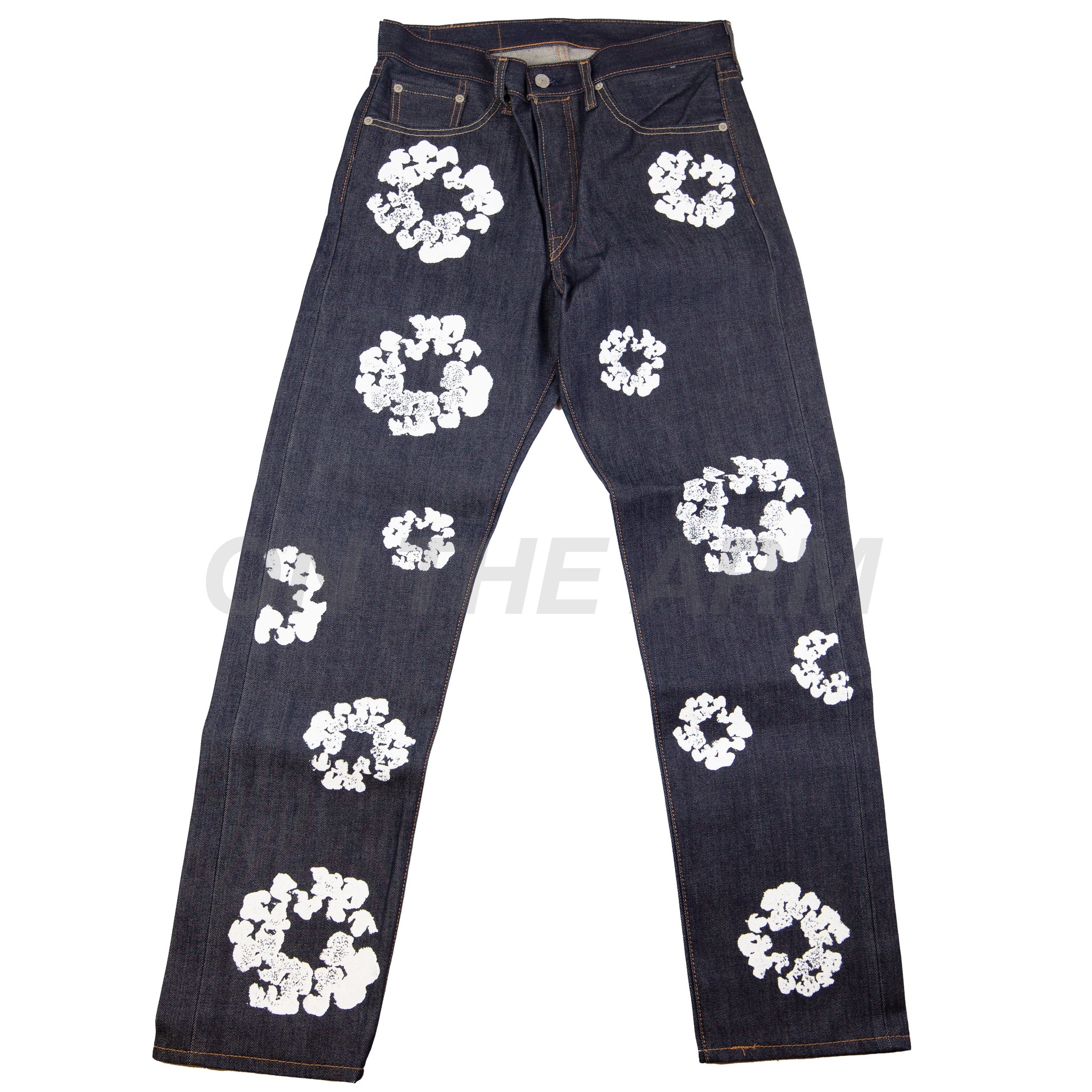
The brand’s Cotton Wreath motif on Levi’s denim anchors the market, and it acts more like art than basic apparel. Collaborations including as Levi’s plus Converse increase awareness and attract buyers who weren’t tracking the label previously. Fits in the center of the range sell fastest, while extremely small and oversized measurements can also rise due to rarity. Since launches are delayed and territorially bound, purchasers commonly shift to resale immediately, producing a early surcharge that can taper or entrench depending on restocks.
2025 Store denim tears hoodie Cost Summary by Category
Direct prices for brand garments in final 2024 to start 2025 usually falls in the bands below; multiple pieces have crept up against past periods due to materials and positioning. Regional prices can appear elevated if VAT is added at checkout.
Use these brackets to evaluate prices and to assess whether a resale listing is a reasonable markup or a steep markup. Direct supply is irregular and drop-dependent, so finding these costs active on the brand site or authorized stores isn’t guaranteed on each particular day. VAT-inclusive labels in the EU and UK may cause store look higher than US pricing, while the total expense spread commonly shrinks when domestic transaction levy is computed. Always check the exact drop rates as unique treatments or decoration might rest at the top of the band.
| Category (example) | Standard Store (USD) | Average Resale Span (USD) | Typical Markup | Notes |
|---|---|---|---|---|
| Signature Cotton Jeans (Levi’s 501/550) | $295–$350 | $450–$900 | +50% to +200% | Signature colorways and core washes run hotter; waist 30–34 lead sales. |
| Hoodies | $160–$180 | $220–$350 | +25% to +100% | Quality construction and special designs land at the peak of the band. |
| T-Shirts | $60–$75 | $100–$180 | +35% to +140% | Signature design shirts and initial drops sustain higher resale. |
| Crewnecks | $140–$160 | $200–$320 | +25% to +100% | Detailed versions surpass basic in most sizes. |
| Varsity Jackets | $450–$650 | $700–$1,200 | +20% to +150% | Construction variety and patchwork complexity drive variance. |
| Chuck Taylor 70 (collab) | $110–$120 | $150–$300 | +25% to +150% | Replenishment may compress spreads for a timeframe. |
| Caps | $60–$70 | $90–$150 | +20% to +100% | Earlier releases and wreath embroidery price higher. |
How’s the Resale Market Break Down in 2025?
In 2025, pants is the liquidity leader with the strongest premiums, while tops and caps are the easiest starting options. Pullover and sweater ranges are meaningful but steadier than denim.
On major platforms, pants consistently clear the peak of the bracket when the treatment and pattern tone correspond to first drop runs, and when the fit sits in the center of the interest spectrum. Tops and accessories vary minimally since supply is broader and purchasers have more substitutes across seasons. Outerwear like team jackets is thinly traded, so a one transaction may adjust bases for a period, which seems intense but frequently stabilizes as additional inventory surface. Quality impacts: mint with tags or with verification of buying creates a surcharge, while obvious damage or absent stitching threads knocks value quickly. Window impacts additionally, with the initial 48 hours after launch exhibiting the steepest increases and the first credible replenishment cutting 10–30% below highs.
What Represent the True Expenses Past the Listed Cost?
The true expense on resale equals the listing price plus site charges, transaction charges, purchase tax or duties, delivery, and, for international, customs taxes and logistics. Such extras can transform a reasonable cost into an overcharge rapidly.
In the States, anticipate transaction duty near about 6–10% varying on state, often applied to item price and periodically transport. Marketplaces generally add 3% transaction charges and append a buyer service cost; even where the vendor covers commission, the purchaser could yet encounter handling or security fees. Shipping ranges from near $10 to $30 for garments, while international shipments may activate taxes in the 17–25% bracket calculated on the value of items plus delivery, and a logistics processing cost. Case: a $650 unit of branded Cotton pants acquired on a US platform with 8.9% sales levy, a 3% transaction fee, and $15 shipping totals approximately $742 excluding any customs fees; shift that same order cross-border into a 20% tax system and the ultimate cost might hit to approximately $880 after duties and logistics are added. When comparing retail to resale, consistently determine a landed number, not just the sticker.
How Do Drops, Collabs, and Colorways Move the Market?
Drop cadence, partnership brands, and certain washes are the biggest levers on label pricing. Levi’s collections and early Cotton Wreath color drops create the most reliable premiums.
Levi’s collaborative denim with branded details has continuous appeal as it’s the company’s core cultural product; finishes that mirror early releases tend to fetch higher prices. Converse collaborations attract broader sneaker audiences, generating short-term buying rushes that may soften following replenishment. Period-specific shades and unique stitching placements create micro-markets; a minor stitch or treatment variation might support a $100+ gap for collectors trying to complete sets. Geographic release windows also count—when one area depletes stock before others, trading listings fill the space and move floors. Restocks don’t remove interest, but they certainly adjust peaks, particularly on sneakers and tees.
Retail vs Secondary: A Smart Purchase Framework
Purchase at retail whenever possible for denim and varsity jackets since the complete monetary gap is most significant; assess secondary for tees and caps when the increase is under 40% and one prizes a particular variant. Employ a target band, not a solitary figure.
Start by reviewing the store range from this guide for the type and collection, then scan recent transactions on several marketplaces to find a real transaction range rather than advertised amounts. Calculate landed expense including duties, costs, and shipping; if the premium over the upper limit of direct costs is beneath 30–40% and one obtains the precise fit and shade, secondary might be rational. For jeans and coats, surcharges exceeding 100% are common; only invest that if it represents a critical item that rarely resurfaces and condition is immaculate. For items with frequent restocks, such as certain tees or sneakers, patience usually pays. Always check sizing, documentation, embroidery quality, and refund policies before you transact.
What’s the Optimal Period Window to Pay Less?
The best pricing periods typically to be 48–72 hours following a launch and 7–10 days post- confirmed replenishment, as stock crests and first excitement subsides. Business day mornings in the seller’s local schedule might additionally be softer for auctions.
Instantly following release, listings flood through, competitive begins, and buyers might periodically secure retail-adjacent prices if buyers act rapidly and not focused on a single measurement. When the first wave is processed, bases commonly elevate and hold steady before a replenishment reaches the calendar. After replenishment, sellers adjust forecasts, and you can bargain using comps in hand. End-of-month times, when vendors need funds, are good for bids that are 10–15% beneath the latest deal, particularly for non-denim categories. If a colorway is rumored to be a one-time run, price softness will be brief, so move within those initial stock timeframes.
Expert Tip: Timing and Authentication to Safeguard Your Spend
Target the 1–3 day window after a drop or replenishment and pre-build an authentication checklist so buyers might move decisively if a appropriate deal emerges. Quickness minus a process is how buyers overcharge or miss red flags.
For branded Cotton pants, review the co-branded Levi’s tag and inside markings, validate pattern detail concentration and positioning, and examine the construction level surrounding compartments and outseams. Ask for clear photos of the washing label, inside pocket markings, and hem stitching; mismatched fonts or thread colors are common tells. Compare the treatment and pattern tone with official campaign visuals or credible store merchandise images. For Converse, verify footbed marking, middle printing, and the packaging tag format linked to the launch period. Maintain images of legit pairs to contrast directly ahead of process transaction.
Fast Details One Likely Haven’t Heard
First, Denim Tears began in 2019 and the signature Cotton design specifically addresses the Black experience and the story of cotton throughout the US, which is the reason the pants work as social artifacts as equally as garments. Two, the opening Levi’s capsule in 2020 depleted inventory practically rapidly and created the wreath denim as a long-term market benchmark that continues establishing references for latest releases. Three, Converse Chuck Taylor collabs have replenished during specific periods, momentarily cutting resale prices by substantial amounts prior to normalizing as units spread. Next, middle-spectrum fit brackets like 30–34 usually secure the quickest transactions, but rare measurements at the borders might eclipse them as stock are limited. Finally, European and regional direct costs incorporate taxes, so although the price seems elevated above the America, the end buyer expense spread reduces after domestic purchasers include purchase tax and shipping.
Where Might Buyers Seek for the Best Comps?
Dependable references come from fresh, validated sales across at least two marketplaces, not from ambitious advertised prices. Focus on sold data inside the recent 30 days for the specific measurement and condition.
Marketplaces that present deal data enable you distinguish aspirational asks from actual clearing costs. Direct deals and media offers might be cheaper, but they’re tougher to confirm, so balance discounts versus danger and missing customer security. For categories with thin volume, extend your timeframe to 2–3 months and account for any replenishment occurrence in such duration. Preserve a comp log with time, measurement, state, and cost so one may identify real trends rather than acting on individual transactions. When you negotiate, cite three current sales and the final expense computation to create an reference rooted in reality.
Final Take: Paying the Right Price in 2025
Understand your category’s retail bracket, determine landed cost, and choose timing windows that advantage purchasers. Denim and varsity items merit the search for retail; tees, hats, and certain sneakers can be sensible on resale within a fair surcharge.
Volatility is a characteristic, not a defect, in the brand’s market, and it benefits ready customers who follow statistics and act during stock maximums. Collabs and first variant releases will continue demanding markups, whereas replenishments will continue to reset ceilings on affordable pieces. Handle each purchase like an capital allocation: validate genuineness, measure condition compared to rate, and avoid pay for excitement you don’t really intend to use. With these methods, you’ll secure the products you desire without funding excessive markups.